Is Stackable Drawer Organizer Worth Selling?
Based on 84+ Reddit posts across 7 communities: Stackable Drawer Organizer scores 6/10 — worth watching. Strong everyday demand, but the category is flooded with cheap plastic; the real opportunity is a mid-tier organizer with uniform stacking dimensions, smooth sliding rails, and low-profile height that fits inside standard shelves and cube units.
Opportunity Score
Strong everyday demand, but the category is flooded with cheap plastic; the real opportunity is a mid-tier organizer with uniform stacking dimensions, smooth sliding rails, and low-profile height that fits inside standard shelves and cube units.
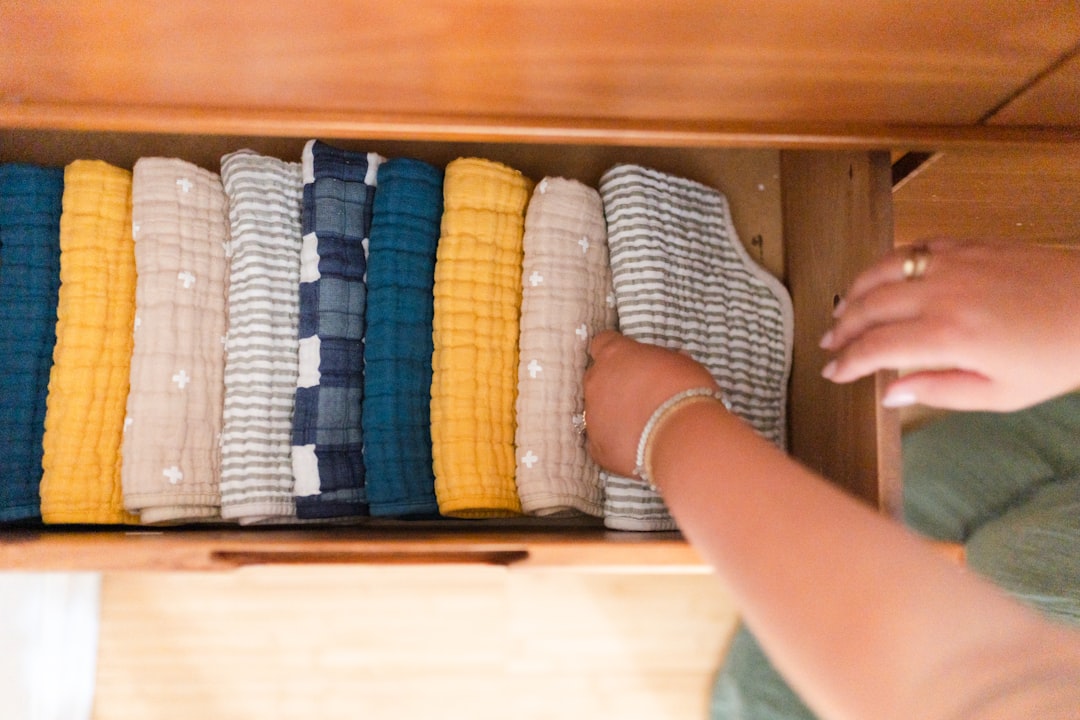
Photo by Carrie Allen www.carrieallen.com on Unsplash
Demand Validation
Reddit users in r/Homeorganization, r/malelivingspace, r/BuyItForLife, and r/ADHD actively discuss drawer organizers across closet, kitchen, bathroom, and desk contexts. Complaint volume is moderate but consistent — the frustrations are well-defined and widely shared. The r/BuyItForLife post about abandoning plastic storage boxes received 5,500+ upvotes, signaling broad demand for a better alternative. Buyer intent is high: users are actively asking for specific product recommendations and willing to pay more for quality.
At a Glance
Verdict
Worth watching
Top buyer complaint
Cheap plastic breaks, warps, and becomes brittle over time
Best opening angle
Cube-shelf-compatible sizing (fits IKEA Kallax / Expedit openings exactly)
Research depth
84 posts across 7 communities
Pain Points — 6 identified
Cheap plastic breaks, warps, and becomes brittle over time
The dominant complaint across BuyItForLife and Homeorganization is that mainstream plastic drawer organizers (Sterilite, generic Amazon brands) are flimsy at purchase and degrade quickly — handles snap, plastic goes brittle, and the whole stack becomes unusable within 1–2 years.
“I was tired of plastic boxes breaking at the handles and the plastic seems to become brittle after a few years. And they aren't even cheap.”
“They are 'okay' but they are pretty low quality and flimsy.”
Stacking height inconsistency makes stable multi-unit setups impossible
Users who buy multiple units — even from the same brand — find that slight height variations prevent stable stacking inside cabinets. This defeats the purpose of "stackable" and forces users to improvise with shims or abandon the setup.
“Unless you use the same exact type/model of drawers, your stack of drawers won't be the same height. This is an issue because I'd like to be able to rest the shelves in the cabinet on top of the drawers so that when a drawer is opened, it won't be able to tip over.”
Top tier must be physically removed to access bottom tier
Many "stackable" products aren't truly independent — to reach the bottom drawer, you must lift or remove the top unit. This is a daily annoyance for clothing/sock storage in closets and kills adoption.
“I need both levels to be sliding/pull-out drawers. I don't want to lift the top bin every time I need a pair of socks from the bottom one.”
Units too tall to double-stack inside low-clearance cabinets and cube shelves
Standard drawer organizer units are sized for open floor use, not for fitting inside IKEA-style cube shelves or low-clearance kitchen/bathroom cabinets. Users consistently report that they can't stack two units vertically because the combined height exceeds the shelf opening.
“I can't have two organizing drawers on top of each other, for example. And there's so much wasted space on every single shelf.”
“I spent ages scouring Reddit and Pinterest and even asked ChatGPT to help me find stackable bins or drawers with the perfect dimensions for cube shelves and I just never could find anything that fit just right.”
Sliding rails are noisy and grind — no smooth/quiet option at a reasonable price
Users shopping for drawer-style organizers with sliding mechanisms complain that budget options have poorly-fitted metal rails that grind and squeak. Premium quiet options exist but are very expensive or hard to find.
“It's noisy opening in and out where you can hear the metal grind on each other like a cheap filing cabinet. For that kind of price, it doesn't seem acceptable. Any ideas from brands or sources to look for actual high quality ones with proper rails and more quiet operation?”
No mid-tier option between cheap plastic and expensive custom built-ins
Users frequently express that the market offers only "chintzy plastic" organizers on one end, and custom-built-in cabinetry on the other. There's no satisfying middle ground — a product that's durable, attractive, and affordable.
“In the closet managing storage for socks and underwear has me puzzled. They make some organizers but it's all chintzy plastic or synthetic organizers. Ideally the master closet is built out with drawers and cabinets.”
Seller Opportunities
Cube-shelf-compatible sizing (fits IKEA Kallax / Expedit openings exactly)
highIKEA Kallax cubbies are 33cm x 33cm — a stackable drawer unit designed to fit this opening precisely would own the search for 'cube shelf drawer insert'. The Kallax install base is enormous and there's almost no product purpose-built for it.
Truly independent dual-pull-out tiers (no lifting required)
mediumThe core friction is that 'stackable' doesn't mean 'independently accessible'. A two-tier unit where both levels slide out on their own rails solves the biggest daily use complaint. This is the feature gap that users explicitly request and can't find.
Premium mid-tier positioning: bamboo or powder-coated steel instead of cheap plastic
highBuyItForLife users are actively abandoning plastic. A drawer organizer in bamboo or wire mesh with smooth-rolling rails could command $35–60 vs. $12–18 for plastic competitors. Strong differentiation in photos and listings.
Low-profile modular system (thin-enough to double-stack inside standard shelves)
mediumIf each unit is ≤14cm tall, two can stack inside a standard 30cm shelf opening. Market this explicitly as 'fits inside existing cabinets' — a huge untapped positioning angle vs. freestanding floor units.
Seller Verdict
Stackable drawer organizers are a proven everyday category with consistent demand and clear, actionable pain points — but the generic market is saturated. Don't list another standard plastic unit; you'll get buried. The opportunity is niche differentiation: either target IKEA Kallax owners with purpose-sized inserts, or position a bamboo/wire mesh dual-pull-out unit at the quality-seeking mid-market. Both angles have weak competition and users who are actively searching and frustrated. Watch out for high return rates if sizing specs are not exact — invest in precise dimension listing and include a compatibility chart.
Related Reports
LED Ambient Light
Strong organic demand from younger, screen-centric buyers, but the market is crowded with cheap Govee/Amazon alternatives — opportunity exists for sellers who solve the two recurring failures: adhesive mounting durability and controller/app reliability.
Home & KitchenUnder-Cabinet Range Hood (36-inch, Ducted/Ductless)
A high-frustration category where budget Amazon hoods consistently fail buyers on noise, smoke capture, and longevity — opening room for a better-engineered mid-tier option if you can nail BLDC motor + wide hood depth.
Home & KitchenWine Saver Vacuum Pump with Stoppers
Vacuum wine pumps have validated demand from casual wine drinkers, but the core pain — wine going bad within a week — is consistently unresolved, creating room for a seller who can credibly deliver longer preservation with a better seal mechanism.
Frequently Asked Questions
Is Stackable Drawer Organizer worth selling in 2026?
Strong everyday demand, but the category is flooded with cheap plastic; the real opportunity is a mid-tier organizer with uniform stacking dimensions, smooth sliding rails, and low-profile height that fits inside standard shelves and cube units.
What are the biggest problems buyers have with Stackable Drawer Organizer?
Cheap plastic breaks, warps, and becomes brittle over time; Stacking height inconsistency makes stable multi-unit setups impossible; Top tier must be physically removed to access bottom tier; Units too tall to double-stack inside low-clearance cabinets and cube shelves; Sliding rails are noisy and grind — no smooth/quiet option at a reasonable price; No mid-tier option between cheap plastic and expensive custom built-ins.
What is the best market opportunity for Stackable Drawer Organizer sellers?
IKEA Kallax cubbies are 33cm x 33cm — a stackable drawer unit designed to fit this opening precisely would own the search for 'cube shelf drawer insert'. The Kallax install base is enormous and there's almost no product purpose-built for it.
What do Reddit users say about Stackable Drawer Organizer?
Reddit users in r/Homeorganization, r/malelivingspace, r/BuyItForLife, and r/ADHD actively discuss drawer organizers across closet, kitchen, bathroom, and desk contexts. Complaint volume is moderate but consistent — the frustrations are well-defined and widely shared. The r/BuyItForLife post about abandoning plastic storage boxes received 5,500+ upvotes, signaling broad demand for a better alternative. Buyer intent is high: users are actively asking for specific product recommendations and willing to pay more for quality.
Research coverage
Communities
Search terms