Is Solar Stake Lights Worth Selling?
Based on 120+ Reddit posts across 6 communities: Solar Stake Lights scores 6/10 — worth watching. Solar stake lights have a loyal buyer base but are plagued by a credibility crisis — cheap units break within months, battery degradation is invisible to buyers, and brightness falls far short of product photos, creating a massive trust gap that a quality-focused seller can exploit.
Opportunity Score
Solar stake lights have a loyal buyer base but are plagued by a credibility crisis — cheap units break within months, battery degradation is invisible to buyers, and brightness falls far short of product photos, creating a massive trust gap that a quality-focused seller can exploit.
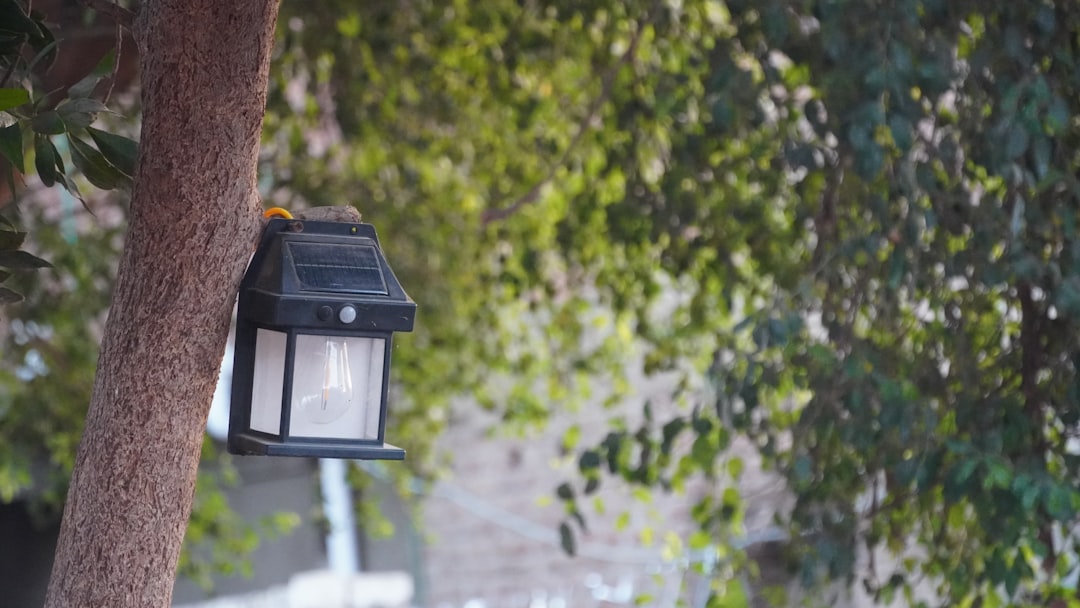
Photo by حامد طه on Unsplash
Demand Validation
Discussion across r/landscaping, r/gardening, r/Frugal, and r/DIY confirms strong and recurring buyer demand: homeowners consistently search for solar stake lights for pathways, driveways, and garden beds. The frustration volume is high — multiple posts with dozens of comments across years — indicating a category where buyers keep repurchasing after disappointment rather than giving up. Buyer intent is clearly present (asking for brand recommendations, willing to pay more for quality), but trust in the existing Amazon market is severely depleted.
At a Glance
Verdict
Worth watching
Top buyer complaint
Stakes break, lean, or fall over after weeks
Best opening angle
Reinforced metal stake + stainless hardware as a premium differentiator
Research depth
120 posts across 6 communities
Pain Points — 6 identified
Stakes break, lean, or fall over after weeks
The ground stake is the most common structural failure point. Users across multiple communities report stakes snapping, bending, or gradually leaning until lights collapse. No affordable option currently addresses this with reinforced stakes or anchor systems.
“im currently living in a small apartment and im looking for a set of solar lights to use in my garden, i have a fairly inexspensive set already but the ground stakes keep breaking, is there any good sugestions for one that are fairly inexspensive but wont break”
“I have several garden and pathway lights, some low voltage hard wired and some solar. Issue I have is the lights continually start to lean or fall over. The stakes just seem to be inadequate.”
Brightness far below expectations — photos vs. reality gap
Product images show bright, dramatic lighting, but actual lumen output is weak and disappointing. Multiple users explicitly state purchased lights are 'not very bright' after being misled by Amazon photos. The landscape professional community actively warns buyers away from solar stake uplights for this reason.
“I'm searching for some bright solar lights to put on my driveway entrance posts. I got some off Amazon by DaVinci but they aren't very bright. I was hoping for something bright enough to really show off the driveway entrance.”
“Most searches have only found Chinese made lights that look bright in pictures but not many lumens.”
“When I asked one of the landscaping companies they said they don't recommend it because those lights aren't very bright, are flimsy, and break easily.”
Battery degrades silently — lights die with no obvious cause
The AA/AAA NiMH rechargeable battery inside solar lights degrades within 6–18 months, causing lights to stop working. Most buyers assume the product is broken and discard or return it, not realizing a $2 battery replacement would fix it. This triggers high return rates and poor reviews.
“There are batteries in your solar lights. If it works for 2 days and quits, try a new rechargeable battery. If it works for six months and quits, try a new rechargeable battery.”
Rain and water ingress kills lights — waterproofing is inadequate
Multiple buyers report lights failing after rain. Cheap IP ratings (IP44 or lower) on most products don't protect against sustained rain or water pooling. Users have burned through multiple brands with the same outcome.
“I have tried a few different brands online and local stalls but I have zero luck with them in the long run. I want to bright up our deck for summer evenings, and our front and back yards with small solar lights just for some effect, but whenever it rains it just ruins them and they stop working.”
No sunlight = no charge — shade locations are completely underserved
Solar lights require direct sunlight exposure, which fails for covered balconies, under tree canopies, north-facing gardens, and shaded driveways. Users explicitly seek non-solar alternatives or decoupled solar panel + light systems. This is a significant unmet-need segment.
“I've tried those cheap integrated PV/lights that you can hang or stick in the ground, but the location id like to have them does not have southern exposure and they don't last long or are not very bright.”
“I am looking for some garden stake lights...running on batteries because I am using them in a container garden on a covered apartment balcony and I simply do not have anywhere to put them where they get enough sun to charge.”
Category is generally seen as 'engineered to fail' — brand trust is near zero
Experienced homeowners and DIYers describe solar garden lights as disposable junk with dramatic frustration. The sentiment is not product-specific but category-wide, meaning a credibly-positioned quality brand has massive whitespace to own.
“I don't know which is more impressive, that solar lights are available in such a wide variety of styles so cheap, or that they're apparently engineered to fail so fast the instructions may as well state 'remove from package, place directly into trash'.”
“I've tried Kmart and Bunnings but they tend to die fairly quickly. I'm happy to pay a bit more for quality, long lasting lights that I can use to illuminate a pathway.”
Seller Opportunities
Reinforced metal stake + stainless hardware as a premium differentiator
highThe #1 mechanical failure is the stake. Switching from cheap plastic to an aluminum or powder-coated steel stake with a wider anchor point directly addresses the most common complaint, costs pennies more to manufacture, and is easy to communicate on listing images and copy.
User-replaceable battery design with included spare
highDesign the battery compartment to be easily opened and clearly marked. Include one replacement NiMH AA battery in the pack. This extends perceived product life, reduces return rates, and creates a recurring accessory sale (replacement batteries). Can be positioned as 'lasts 3x longer than competitors.'
IP65+ rated waterproofing with a marketing-facing 'rain test' claim
mediumUpgrade sealing to IP65 and feature a rain/water resistance test in listing video. This addresses a pain point that causes multi-brand abandonment and differentiates clearly from typical IP44 competitors. Customers in wet climates (Pacific Northwest, UK buyers) are actively looking for this.
Longer separate-panel design for shaded gardens
mediumA solar stake light with a 2–3m cable between the panel and the light body lets buyers place the panel in sun while the light stake goes under a tree or on a shaded path. This opens a completely underserved buyer segment. Requires slightly more complex packaging but is a rare, defensible SKU.
Seller Verdict
Solar stake lights are a high-volume, repeat-purchase category where the market is dominated by disposable Chinese commodity products that reliably disappoint buyers. The opportunity is real but the angle matters: you cannot compete on price — you need to compete on durability and trust. A set with metal stakes, replaceable batteries, and IP65 waterproofing, positioned with clear messaging around '2-year guarantee' or 'built to last through winter,' can own the quality niche in a sea of trash. That said, the category is crowded at the low end and the margin on cheap solar goods is thin. If you're entering, aim for $25–45 price point (vs. $10–15 commodity), build listing content around the specific failures buyers hate, and budget for a strong review acquisition strategy — brand trust in this space is near zero and takes time to build.
Related Reports
Robotic Lawn Mower
Robot mowers are a validated, fast-growing category, but the opportunity for new sellers lives in fixing brutal usability gaps — edge cutting, wet-grass clogging, slope traction, and firmware-induced bricking — not in launching another generic GPS unit.
Garden & OutdoorCollapsible Garden Hose
A large, frustrated audience keeps cycling through cheap expandable hoses that burst within 1–2 seasons; the seller opportunity is to premiumize on materials (multi-layer latex, abrasion-resistant sleeve, brass fittings) and back it with a real warranty — no current brand owns this position.
Garden & OutdoorOutdoor Bird Feeder
Bird feeders are a mass-market hobby with fierce pain around squirrel-proofing, seed waste, and weather protection — creating durable openings for sellers who solve one of these problems cleanly.
Frequently Asked Questions
Is Solar Stake Lights worth selling in 2026?
Solar stake lights have a loyal buyer base but are plagued by a credibility crisis — cheap units break within months, battery degradation is invisible to buyers, and brightness falls far short of product photos, creating a massive trust gap that a quality-focused seller can exploit.
What are the biggest problems buyers have with Solar Stake Lights?
Stakes break, lean, or fall over after weeks; Brightness far below expectations — photos vs. reality gap; Battery degrades silently — lights die with no obvious cause; Rain and water ingress kills lights — waterproofing is inadequate; No sunlight = no charge — shade locations are completely underserved; Category is generally seen as 'engineered to fail' — brand trust is near zero.
What is the best market opportunity for Solar Stake Lights sellers?
The #1 mechanical failure is the stake. Switching from cheap plastic to an aluminum or powder-coated steel stake with a wider anchor point directly addresses the most common complaint, costs pennies more to manufacture, and is easy to communicate on listing images and copy.
What do Reddit users say about Solar Stake Lights?
Discussion across r/landscaping, r/gardening, r/Frugal, and r/DIY confirms strong and recurring buyer demand: homeowners consistently search for solar stake lights for pathways, driveways, and garden beds. The frustration volume is high — multiple posts with dozens of comments across years — indicating a category where buyers keep repurchasing after disappointment rather than giving up. Buyer intent is clearly present (asking for brand recommendations, willing to pay more for quality), but trust in the existing Amazon market is severely depleted.
Research coverage
Communities
Search terms