Is Camping Kitchen Station Worth Selling?
Based on 112+ Reddit posts across 7 communities: Camping Kitchen Station scores 7/10 — worth watching. The camp kitchen station category has genuine demand from a frustrated buyer base that is too price-sensitive for $1,000+ overlanding kitchens but tired of bin chaos — VEVOR's $150–$200 price point lands in the right zone, but differentiation on weight, stability, and setup speed is critical.
Opportunity Score
The camp kitchen station category has genuine demand from a frustrated buyer base that is too price-sensitive for $1,000+ overlanding kitchens but tired of bin chaos — VEVOR's $150–$200 price point lands in the right zone, but differentiation on weight, stability, and setup speed is critical.
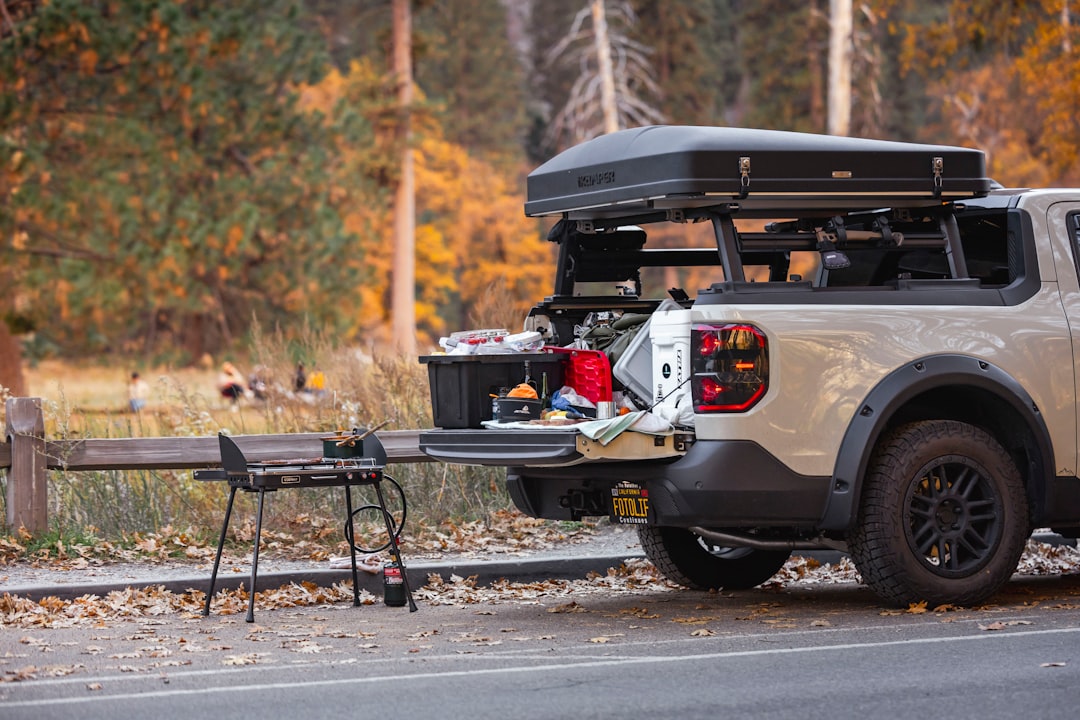
Photo by Leo_Visions on Unsplash
Demand Validation
Reddit camping and overlanding communities show consistent, high-engagement posts around DIY camp kitchen builds, with the top posts scoring 1,317–3,423 upvotes. Users actively complain about disorganized bin setups, heavy wooden chuck boxes, and the discontinuation of quality brands like the old Cabela's camp kitchen line. Multiple users cite the same friction: commercial portable kitchens exist but cost $1,000–$1,350, forcing buyers to either DIY or accept inferior bin chaos.
At a Glance
Verdict
Worth watching
Top buyer complaint
Campers are stuck between overpriced overlanding kitchens ($1,000+) and disorganized bin chaos — no lightweight, affordable, self-contained camp kitchen station occupies the middle ground.
Best opening angle
Position as 'the organized camp kitchen for people who hate the bin chaos but can't spend $1,000'. Lead with setup speed ('ready in 30 seconds'), weight, and the specific storage features buyers care about (utensil bar, stove shelf, spice organizer).
Research depth
112 posts across 7 communities
Seller Insight
Who should sell this
Sellers with access to powder-coated steel/aluminum fabrication and the ability to differentiate on accessories and pack weight. Ideally someone who can hit $150–$250 retail with positive margin and who has outdoor/camping channel presence.
Who should avoid this
Sellers who can't compete on product weight — a heavy camp kitchen station gets destroyed in reviews regardless of price. Also avoid if you can't provide reliable multi-piece assembly instructions and durable hardware.
Best positioning angle
Position as 'the organized camp kitchen for people who hate the bin chaos but can't spend $1,000'. Lead with setup speed ('ready in 30 seconds'), weight, and the specific storage features buyers care about (utensil bar, stove shelf, spice organizer).
Competition note
The mid-market is relatively open. Kelty Camp Galley, Camp Chef Sherpa table, and Coleman options each cover part of the need but none combine: lightweight + storage + standalone height + quick setup. VEVOR's product is well-positioned but must win on real-world weight and setup experience, not just spec sheet numbers.
Pricing band
$120–$250
Margin potential
medium
Shipping complexity
medium
Return risk
medium
Seasonality
medium
Pain Points — 6 identified
Affordable commercial options simply don't exist
Premium portable camp kitchens (OzTerrain, Craft AutoWorks) cost $1,000–$1,350, leaving a massive gap between DIY chuck boxes and expensive overlanding setups. Users who want organized, self-contained camp kitchens but aren't woodworkers have no good middle option in the $100–$300 range.
“I loved the idea but not the price. After some research I also found the Craft AutoWorks kitchen, which was $1,350. I decided to build my own.”
“I've seen many diy instructions for Chuck boxes online. I question my ability to make even the simplest one, and I've not seen where one can buy them at reasonable prices.”
Weight kills the concept — wooden chuck boxes too heavy for most users
The most loved camp kitchen designs are wooden chuck boxes, but commenters consistently cite weight as the single biggest dealbreaker. Users report boxes being too heavy for one person to carry, creating frustration even for buyers who invested in a quality solution.
“Looks heavy [x3 commenters independently]. It's fricking awesome, but also looks very heavy and bulky.”
“Chuck box was too heavy for my wife to handle but I hate being limited on spices (cooking is like half the reason I camp lol)”
“I made the REI version of this. It looks good but it is very heavy and unwieldy to move around.”
“It will folds up neatly in a storage bag that weights about 75 pounds, so heavy. I'm in love with it!!”
Trusted camp kitchen brands have been discontinued or gone downhill
Cabela's used to make the gold-standard camp kitchen station, but Bass Pro acquisition replaced durable products with generic merchandise. Users who find old Cabela's units on Marketplace are ecstatic — the nostalgia and functionality of that product is not matched by current offerings.
“I love Cabela's older camping stuff. It's a shame they got rid of all the nice durable products once Bass Pro bought them out, it's all rebranded Chinese junk now.”
“Love Cabela's older camping stuff. Great find. That version is built really well and should last a long time. I use mine several times a year and have no issues with it.”
Compact-when-folded is extremely hard to find at a reasonable price
Users overlanding or living in small spaces specifically need tables and kitchen units that fold very thin (under 2 inches) for storage in tight canopy/truck spaces. Premium brands solve this but at $500+ price points — a major gap.
“Looking for some thin/low profile tables for a overlanding build that fold up to be 2" or less thick to be able to be stored/slid into some tight spaces in my canopy. Alucab and smartcap have somethin similar but are stupid expensive.”
Stability issues on uneven terrain and in wind
Users who do build or buy portable camp kitchen setups report instability on uneven ground and in wind — particularly self-built fold-out designs that lack structural rigidity. Adjustable-height legs help but aren't standard across most options.
“The last picture is an idea I'm playing with so I can deploy it without needing to set up a table. It's not as stable as I'd like. I'm hoping to come up with a better design that will let me use it while deployed on the ground if needed.”
No good solution for camp kitchen organization without DIY or overspending
Many campers are stuck in 'bin chaos' — lugging Rubbermaid totes with no organization. They know organized camp kitchen stations exist but face a gap: DIY requires woodworking skills, commercial is $1,000+, and mid-market options like the Kelty Camp Galley are appreciated but limited in storage depth.
“I am so sick of Rubbermaid bins. It's always a mess and I'm so tired of lugging the damned bins.”
“I was tired of the Home Depot tote filled with all of the cooking gear.”
Seller Opportunities
Lightweight aluminum/steel camp kitchen station at $150–$250 retail
highThe VEVOR product targets this exact gap — aluminum/steel construction, folding legs, adjustable height, storage organizer. The market is actively looking for something in this price range. Key differentiators: under 20 lbs, quick setup, built-in organizer. Win against wooden chuck boxes on weight; win against $1,000+ overlanding kitchens on price.
Modular add-on storage hooks and shelves as accessories
highUsers want poles for lanterns, racks for pots and pans, spice racks, utensil holders — all features of the loved Cabela's kit. Offer a base unit with modular add-on accessories for upsell. Buyers who want more storage can expand without buying a heavier base unit.
Self-contained design that doesn't require a separate table
mediumMultiple users express the need for a standalone camp kitchen that doesn't compete with campsite picnic tables. A unit with fold-out legs (adjustable height for uneven terrain) + integrated work surface solves this natively. This is what VEVOR's product attempts with its 3-height adjustable leg system.
Position as the modern replacement for discontinued Cabela's camp kitchen
highThe old Cabela's camp kitchen has a cult following. Users who find them on Marketplace score over 1,800 upvotes. Positioning your product as 'what the Cabela's camp kitchen should have been, but lighter and affordable' taps into a known reference point with proven community nostalgia.
Manufacturing Profile
Process
stampingMaterial
Differentiation
structureNo mold change needed
Requires mold change
Seller Verdict
This is a legitimate opportunity in a category with real buyer frustration and no dominant mid-market winner. The VEVOR product enters a validated gap — buyers know what they want (the old Cabela's camp kitchen, but lighter and cheaper) and are actively DIYing because commercial options fail them. Win the listing by leading with weight spec, setup time, and storage capacity; differentiate from Amazon noise with accessory bundles (S-hooks, organizer bins, mesh shelf). The main risk is that steel-frame units will always struggle on weight vs. wooden chuck boxes in photos — compensate with clear weight-on-listing and highlight adjustable height as a feature competitors don't offer.
Related Reports
Merino Wool Ski Socks
Premium merino ski socks are a validated, repeat-purchase category where buyers are actively dissatisfied with quality degradation in incumbents (Kirkland, Smartwool) and sizing problems in Darn Tough — leaving room for a brand that nails durability, fit options, and moisture management at a clearer price point.
Sports & OutdoorsPortable Clamp-On Umbrella (Beach / Wheelchair / Chair)
A clamp-on umbrella that attaches to beach chairs, wheelchairs, and strollers addresses a clear pain point: staked beach umbrellas are a documented safety hazard, disabled users can't find coverage that works, and sun protection stigma is actively breaking down with 16K+ upvoted Reddit momentum.
Sports & OutdoorsPortable Camping Spice Kit
No commercial spice kit has cracked the leakproof + lightweight + organized trifecta — backpackers keep inventing workarounds (drug baggies, straws, pillboxes) because nothing on the shelf solves all three at once.
Frequently Asked Questions
Is Camping Kitchen Station worth selling in 2026?
The camp kitchen station category has genuine demand from a frustrated buyer base that is too price-sensitive for $1,000+ overlanding kitchens but tired of bin chaos — VEVOR's $150–$200 price point lands in the right zone, but differentiation on weight, stability, and setup speed is critical.
What are the biggest problems buyers have with Camping Kitchen Station?
Affordable commercial options simply don't exist; Weight kills the concept — wooden chuck boxes too heavy for most users; Trusted camp kitchen brands have been discontinued or gone downhill; Compact-when-folded is extremely hard to find at a reasonable price; Stability issues on uneven terrain and in wind; No good solution for camp kitchen organization without DIY or overspending.
What is the best market opportunity for Camping Kitchen Station sellers?
Position as 'the organized camp kitchen for people who hate the bin chaos but can't spend $1,000'. Lead with setup speed ('ready in 30 seconds'), weight, and the specific storage features buyers care about (utensil bar, stove shelf, spice organizer).
What do Reddit users say about Camping Kitchen Station?
Reddit camping and overlanding communities show consistent, high-engagement posts around DIY camp kitchen builds, with the top posts scoring 1,317–3,423 upvotes. Users actively complain about disorganized bin setups, heavy wooden chuck boxes, and the discontinuation of quality brands like the old Cabela's camp kitchen line. Multiple users cite the same friction: commercial portable kitchens exist but cost $1,000–$1,350, forcing buyers to either DIY or accept inferior bin chaos.
Research coverage
Communities
Search terms