Is Hair Dryer Worth Selling?
Based on 90+ Reddit posts across 15 communities: Hair Dryer scores 7/10 — worth watching. The hair dryer category has a real mid-tier opening: cheap dryers fail at safety and longevity, premium dryers fail at price-to-durability ratio, and almost nothing in the $80-150 range credibly bridges the two. Sellers who can deliver a brushless motor, handle-mounted layout, real thermal protection, and a warranty backing it can own this gap.
Opportunity Score
The hair dryer category has a real mid-tier opening: cheap dryers fail at safety and longevity, premium dryers fail at price-to-durability ratio, and almost nothing in the $80-150 range credibly bridges the two. Sellers who can deliver a brushless motor, handle-mounted layout, real thermal protection, and a warranty backing it can own this gap.
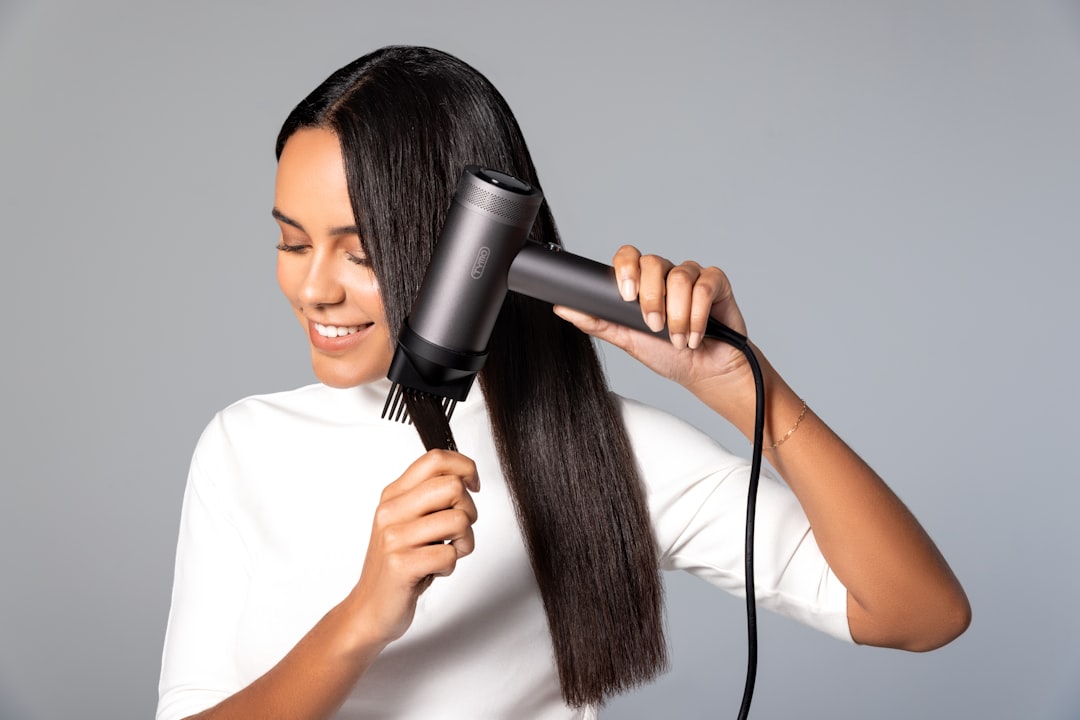
Photo by TYMO Beauty on Unsplash
Demand Validation
Engagement is consistently high on cheap-vs-expensive threads — a single 'Got Dyson for Christmas, is it worth it?' post pulled 83 upvotes and 89 comments, and a 'LPT: Check the air inlet of every hair dryer' safety post hit 2019 upvotes. Buyers actively search for Dyson dupes around $100-200 across r/curlyhair, r/finehair, r/Apartmentliving, r/HaircareScience and r/BeautyGear, with recurring complaints about overheating, weight, noise, drying time on thick hair, and short lifespan. The category combines daily-use product loyalty with strong replacement-cycle frustration — clear repeat-purchase intent.
At a Glance
Verdict
Worth watching
Top buyer complaint
Buyers feel forced to choose between a cheap dryer that overheats, breaks, and burns their arms, or a $400+ premium dryer that still only lasts 18 months — with almost no credible middle option.
Best opening angle
Lead with 'all the things expensive dryers fixed, none of the $400 price' — specifically: handle-balanced weight, brushless motor, real thermal protection, measured quiet operation, and a 2-year warranty. Use measurable specs in the listing, not adjective stacks.
Research depth
90 posts across 15 communities
Seller Insight
Who should sell this
Sellers with access to brushless digital motor suppliers (Shenzhen, Dongguan), tooling capability for handle-mounted designs, and the patience to build brand trust through reviewer seeding and warranty fulfillment. Best for sellers willing to play the 1-2 year brand build, not the quick flip.
Who should avoid this
Sellers planning to private-label a stock brushed-motor OEM unit and add 'professional ionic' to the listing — that segment is saturated and price-floored. Also avoid if you cannot honor a 2-year warranty or handle the customer service load of a daily-use heat appliance.
Best positioning angle
Lead with 'all the things expensive dryers fixed, none of the $400 price' — specifically: handle-balanced weight, brushless motor, real thermal protection, measured quiet operation, and a 2-year warranty. Use measurable specs in the listing, not adjective stacks.
Competition note
Dyson and Shark dominate the premium tier but are losing trust on durability. Conair / Revlon / Remington own the cheap tier on price alone. Laifen, Ella Bella, BondiBoost, and Bombae prove the mid-tier is winnable but most lack distribution muscle and credible reviews — there is room for another disciplined entrant.
Pricing band
$80-150
Margin potential
medium
Shipping complexity
medium
Return risk
medium
Seasonality
low
Pain Points — 6 identified
Cheap dryers overheat and become fire hazards
Budget dryers rely on thermal cutoff switches that frequently fail or never trigger, especially once the rear air inlet screen clogs with dust and lint. Result: dryers turn into flamethrowers, scorch hair, or trip household breakers. Premium dryers solve this with intelligent temperature sensing (Dyson measures 40 times per second), but mid-priced options rarely include this.
“Upvoting because I've had a hair dryer turn into a flamethrower and almost lost an eyebrow. This is good info to know!”
“after seeing that one viral clip of a cheap blow dryer basically catching fire mid-blowout, I decided it was finally time to stop using the $20 travel dryer i've had since college.”
“my old cheap hair dryer is finally dying a loud, sparky death”
Drying time on thick or curly hair is the universal pain point
Thick/curly hair users report 30-60 minute drying sessions with cheap dryers and frame this as the single biggest reason they considered the $400+ Dyson. Premium dryers cut drying time to 6-10 minutes, but the mid-tier rarely matches because most $50-150 dryers use low-RPM brushed motors without the airflow velocity needed for dense hair. This is the strongest case for a brushless motor mid-tier product.
“Cuts drying time to 10 mins, another 5 mins to make it silky smooth, doesn't damage my hair. I can't believe I used to dry my hair for 30+ mins and then have to straighten it after.”
“I went from taking 45 min to dry my hair to six minutes and no more needing to flat iron after.”
“I have long, thick curly hair and it used to take me over an hour to dry and style my hair. Now it takes me less than half that time.”
Cheap dryers are too heavy — arms ache before hair is dry
Conventional motors live in the head of cheap dryers, making them top-heavy. Users with long or thick hair describe arm fatigue, awkward grip, and even hair getting sucked into the rear inlet during the 20-30 minute session. Dyson and Laifen solve this by moving the brushless motor into the handle, but most cheap dryers haven't replicated this redesign even though the brushless motor itself has dropped in price.
“I've had it for seven years now, and I honestly can't imagine using any other hairdryer. With my previous one, my arm would always ache by the time I finished drying my hair (which takes around half an hour). It was awkward to hold, and on a couple of occasions my hair even got sucked in.”
“Anyone have advice on not getting your hair sucked into the back of the hairdryer? Luckily the hairdryer I use right now doesn't do it to me, but at every hotel I go to, it happens.”
“Bonus points if it's not insanely heavy, because my arms get tired holding one up for so long.”
Noise is a deal-breaker in apartments and shared living
The standard cheap dryer is jet-engine loud, and buyers in apartments, with roommates, or with noise-sensitive household members actively shop for quiet alternatives. Even mid-tier 'Dyson alternatives' often introduce a high-pitched whine from cheap brushless motors that some buyers find worse than the original loud-but-low-pitched sound. Quiet operation is a real, under-served feature, not a marketing add-on.
“Truly awful high pitched noise while using. It wasn't marketed as quiet but the sound isn't normal. I don't mind my current very loud seven year old hair dryer, this high pitched noise is just very off putting.”
“Looking for a quiet but fast-drying hair dryer for long curly hair, budget ~$100. My roommate is pretty sensitive to noise... I can't help but feel like I'm bothering her every time I use it.”
“I'm looking for a diffuser hair dryer that isn't too loud because I have noise sensitivity and loud noises are painful.”
Even premium dryers ($400+) don't last — durability is a category-wide failure
Dyson Supersonic owners report machines cutting out at 18 months even with regular filter cleaning, going through 3 units since 2020. Shark SpeedStyle motors start smelling burnt after 2 years. Meanwhile users with 10+ year old Parlux, Babyliss, and Remington dryers continue happily. The conclusion across multiple long threads: paying more doesn't guarantee longer life, and the premium brands have actually regressed compared to old workhorse models — a clear opening for a brand built on a real warranty.
“I am on my 3rd Dyson supersonic since 2020 and it's started to cut out mid blow dry (and is out of warranty). I can't bring myself to spend money on another dyson that only lasts 18m and yep, I do clean the filter.”
“The motor in my shark must be dying after 2 years of use because it constantly smells like burning (yes I clean the filter) and it's out of warranty.”
“I only replaced my Parlux after 10+ years due to a cockroach climbing in the vent and firmly lodging itself inside. Otherwise I'd probably still be using it!”
Ionic / ceramic / tourmaline marketing claims have lost buyer trust
Sophisticated buyers on r/HaircareScience increasingly call out 'negative ion technology' and 'intelligent heat control' as marketing-led claims with weak independent science. They want hard specs (wattage, L/s airflow, real temperature data) over buzzwords. Cheap dryers stamp 'ionic' on every box, and buyers no longer believe the label means anything — which makes credibility the seller's biggest moat, not feature stacking.
“This was asked on The Beauty Brains Podcast Episode 417, and their response is that although it sounds very science-y, there isn't any good evidence for it.”
“I keep seeing ionic, ceramic, tourmaline, diffuser attachments, cold shot, all that stuff, and now I honestly cannot tell what actually matters.”
“What characteristics should someone actually be looking for, if they want to minimise/prevent damage? They all basically claim that they will dry your hair faster, at a lower temperature, and prevent or minimise damage through some kind of proprietary technology.”
Seller Opportunities
Mid-tier brushless motor dryer at $80-150 with handle-mounted motor
highBrushless 110,000+ RPM digital motors are now commodity-priced from Chinese suppliers. Replicate the handle-mounted layout (lighter, better balance) without Dyson's $400 markup. The Laifen Swift and Ella Bella already prove this works; market has room for more credible entrants with better warranty and quieter tuning.
Apartment-friendly low-noise positioning
highEngineer the air channel and motor mount specifically for sub-75dB operation, then market explicitly to apartment renters, parents of sleeping babies, dorm students, and noise-sensitive buyers. Use measured dB on the listing — not vague 'quiet' claims. This is a positioning play, not a tech moonshot.
Replaceable filter / clearable inlet design
mediumThe single most common failure mode is rear-inlet dust clogging causing overheating. A snap-off washable mesh + replaceable filter cartridge sold as a recurring SKU solves a known fire-hazard problem AND creates aftermarket revenue. Bonus: hair-suction protection guards that prevent the 'hair sucked into back' complaint that even Dyson owners mention.
Spec-led, science-honest listing copy
highLead with real numbers: motor RPM, L/s airflow, measured dB, exact temperature range, thermal cutoff certification. Skip 'ionic technology' fluff. This wins the educated buyer searching r/HaircareScience-style questions and differentiates from the wall of identical 'professional ionic' Amazon listings.
Manufacturing Profile
Process
injection moldingMaterial
Differentiation
structureNo mold change needed
Requires mold change
Seller Verdict
Worth pursuing if you can credibly deliver a brushless-motor, handle-mounted, thermally-protected dryer at $80-150 with a real 2-year warranty. The market signal is strong and the premium incumbents are losing trust, but this is not a fast-flip category — daily-use heat appliances live or die on returns and reviews, so under-invest in warranty fulfillment at your peril. Avoid if your only plan is to relabel a brushed-motor OEM unit.
Related Reports
Continuous Blood Oxygen Tracker (24-Hour SpO2 Monitor)
A trust-driven niche where mainstream wearables fail at overnight SpO2 — buyers actively seek dedicated continuous oximeters with clinical-grade accuracy, vibration alerts, and exportable raw data.
Health & BeautyRed Light Therapy Device
Strong and growing buyer demand for at-home red light therapy, but rampant trust issues around fake irradiance specs, uneven light coverage, eye safety risks, and poor customer service from major brands — creating clear room for a transparent, safety-first entrant.
Health & BeautyAdult Incontinence Underwear
Large, underserved market plagued by stigmatizing medical aesthetics and poor fit for active users — the real opportunity is in lifestyle-forward, discreet products designed for specific demographics (men, athletes, postpartum) rather than competing head-on with Depend/TENA on absorbency.
Frequently Asked Questions
Is Hair Dryer worth selling in 2026?
The hair dryer category has a real mid-tier opening: cheap dryers fail at safety and longevity, premium dryers fail at price-to-durability ratio, and almost nothing in the $80-150 range credibly bridges the two. Sellers who can deliver a brushless motor, handle-mounted layout, real thermal protection, and a warranty backing it can own this gap.
What are the biggest problems buyers have with Hair Dryer?
Cheap dryers overheat and become fire hazards; Drying time on thick or curly hair is the universal pain point; Cheap dryers are too heavy — arms ache before hair is dry; Noise is a deal-breaker in apartments and shared living; Even premium dryers ($400+) don't last — durability is a category-wide failure; Ionic / ceramic / tourmaline marketing claims have lost buyer trust.
What is the best market opportunity for Hair Dryer sellers?
Lead with 'all the things expensive dryers fixed, none of the $400 price' — specifically: handle-balanced weight, brushless motor, real thermal protection, measured quiet operation, and a 2-year warranty. Use measurable specs in the listing, not adjective stacks.
What do Reddit users say about Hair Dryer?
Engagement is consistently high on cheap-vs-expensive threads — a single 'Got Dyson for Christmas, is it worth it?' post pulled 83 upvotes and 89 comments, and a 'LPT: Check the air inlet of every hair dryer' safety post hit 2019 upvotes. Buyers actively search for Dyson dupes around $100-200 across r/curlyhair, r/finehair, r/Apartmentliving, r/HaircareScience and r/BeautyGear, with recurring complaints about overheating, weight, noise, drying time on thick hair, and short lifespan. The category combines daily-use product loyalty with strong replacement-cycle frustration — clear repeat-purchase intent.
Research coverage
Communities
Search terms